
 Suomi
Suomi
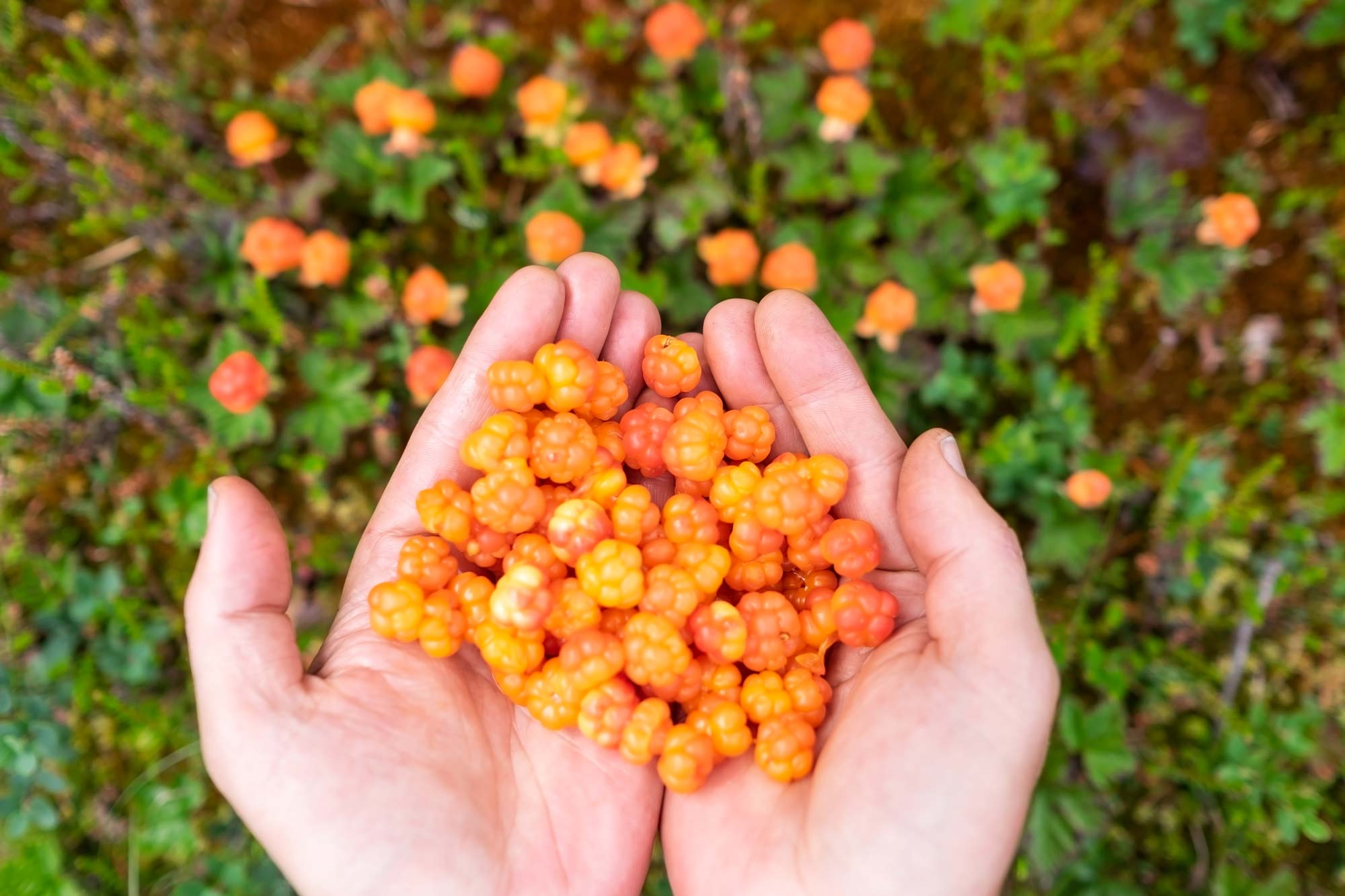
Berry picking is only the first step in utilizing them. The real value comes from how the berries are handled and stored. Properly executed preservation ensures that the flavor, texture, and nutrients of the berries are retained as well as possible. At the same time, it enables the use of berries well into winter and until the next harvest season.
A fresh berry is at its nutritional peak immediately after picking, but its shelf life is limited. For this reason, processing should begin as soon as possible after harvesting. The longer berries remain unprocessed, the more their quality deteriorates. This is particularly evident with more delicate berries, such as raspberries, which require quick and careful handling. You can learn more about the characteristics and handling of raspberries on the page /marjastus/marjat/vadelma.
Freezing is one of the most common and effective preservation methods. It preserves the structure and nutrients of berries well when done correctly. Berries should be frozen as quickly as possible to keep their cellular structure intact. Slow freezing can damage the structure and affect quality after thawing. Blueberries in particular freeze well, and their use is almost as versatile as when fresh. You can learn more about the characteristics of blueberries on the page /marjastus/marjat/mustikka.
Drying offers an alternative way to preserve berries. When water is removed, berries become lighter and keep for a long time without refrigeration. At the same time, their flavor intensifies, making them useful in baking and snacks, for example. The advantage of drying is also that it does not require freezer space, which can be a significant factor when processing large quantities.
Traditional preservation methods, such as making jam and juice, have maintained their position for decades. They enable long-term storage of berries and offer a familiar way of use for many households. At the same time, however, it is good to be aware that added sugar changes the nutritional content of berries. For this reason, many are now looking for alternatives that better preserve the original properties of berries.
Lingonberry is a special berry in terms of preservation, as its natural benzoic acid content makes it exceptionally long-lasting. It does not require the same kind of processing as many other berries, and it can be stored in a cool place for a long time without significant deterioration in quality. You can learn more about the characteristics of lingonberries on the page /marjastus/marjat/puolukka.
The choice of preservation method largely depends on how the berries are intended to be used. If the goal is to preserve as many nutrients as possible, freezing is often the best option. If, on the other hand, long shelf life without refrigeration is desired, drying may be a more practical solution. In practice, many combine several methods, allowing berries to be utilized more versatilely.
Berry storage is also closely related to harvesting efficiency. The more berries are picked, the more important their proper handling becomes. For this reason, it is worth investing in berry picking tools and techniques even before the preservation stage. Also read about efficient berry picking, through which you can significantly increase your harvest.
Berry storage is not merely a technical process, but part of a whole in which the harvest provided by nature is utilized as efficiently as possible. When processing is done carefully and appropriately, berries retain their value for a long time and provide nutrition and flavor year-round.