
 English
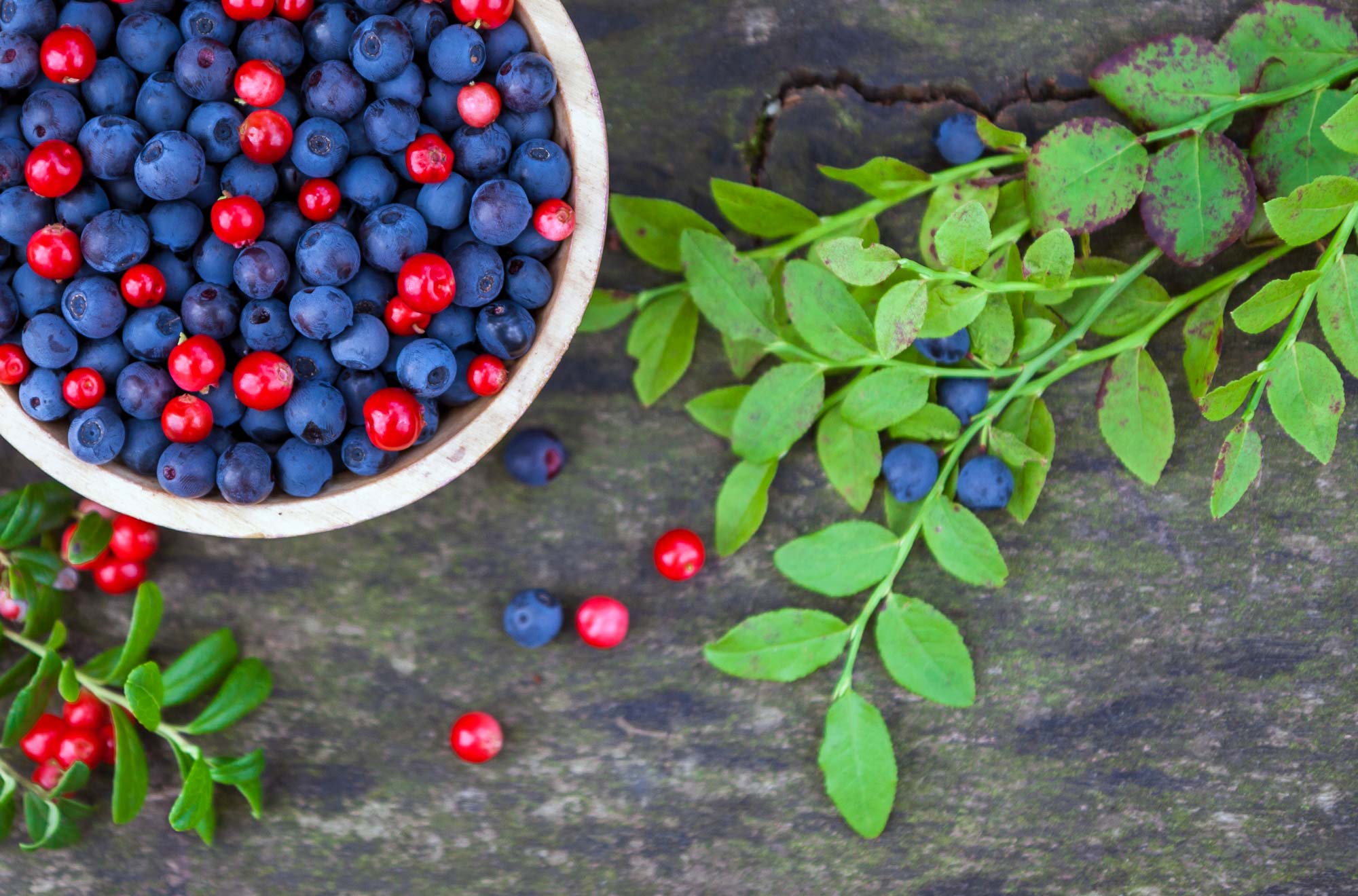
Finland is one of the richest countries in the world in terms of wild berries. Forests , Swamps and coastal areas produce a huge amount of different berries every year, a significant part of which remains unexploited. This makes wild berries a unique resource that is simultaneously easily accessible, exceptionally nutritious and versatile.
Finnish berries are special above all because of their growing conditions . The long, bright Summers and cool nights of the north slow down ripening, giving the berries time to develop a strong aroma and high nutrient content. This is why blueberries and lingonberries, for example, contain a wealth of antioxidants and other bioactive compounds, making them also valued internationally.
The importance of berries is not limited to nutrition. They are an essential part of Finnish culture and lifestyle. Berry picking is a tradition that is passed down from generation to generation, and it involves a lot of practical knowledge about nature, growing places and the right timing. At the same time, berries also represent an economic opportunity, as they are collected both for personal use and for sale.
Different types of berries differ significantly in terms of where they grow, taste and uses. Blueberries are one of the best-known and most widely used berries, and they grow in large areas in spruce-dominated forests. You can learn more about picking and using them on their own page , which discusses the properties and collection of blueberries in more detail. Lingonberries, on the other hand, thrive in drier, Sandy soils and are particularly known for their good shelf life. Also learn about their properties and uses .
Berries that grow in swampy environments, such as lingonberries and cranberries, form a special group of their own. They often require more effort to collect, but are rewarding in both taste and value. The lingonberry is particularly valued for its unique aroma, while the Cranberry is known for its acidity and shelf life. You can learn more about these berries on the pages and .
Growing in coastal areas and open spaces, sea buckthorn stands out from other berries, especially because of its nutritional value. Sea buckthorn contains a lot of vitamin C and fatty acids, which is why it is widely used also for its health benefits. Raspberry, on the other hand, is an easily accessible berry that often grows on forest edges and in open areas. Its sweet taste makes it popular, especially when used fresh, and aspects related to its processing are discussed on its own landing page .
The use of berries is diverse, and proper processing significantly affects their potential uses. Berries can be used fresh, frozen, dried or processed into various products. Preservation methods allow the nutritional value and taste of berries to be preserved well into the winter. Information related to these methods can be found on a separate page on preservation, which discusses different options from a practical perspective.
Picking berries is not just a random event, but involves a lot of strategy and understanding. The right timing, knowledge of growing locations, and an efficient picking method directly affect the amount of harvest. When these factors are in place, berry picking becomes significantly more productive and meaningful. Practical tips related to picking are discussed in more detail here , which opens up the different aspects of berry picking in more detail.
Wild berries form a whole that combines nutrition, tradition and opportunity. They are part of the Finnish landscape and lifestyle, but also a resource that can be utilized much more than it is today. As understanding of berries deepens and their uses become more diverse, their importance will grow even more at both the individual and societal levels.