
 Suomi
Suomi
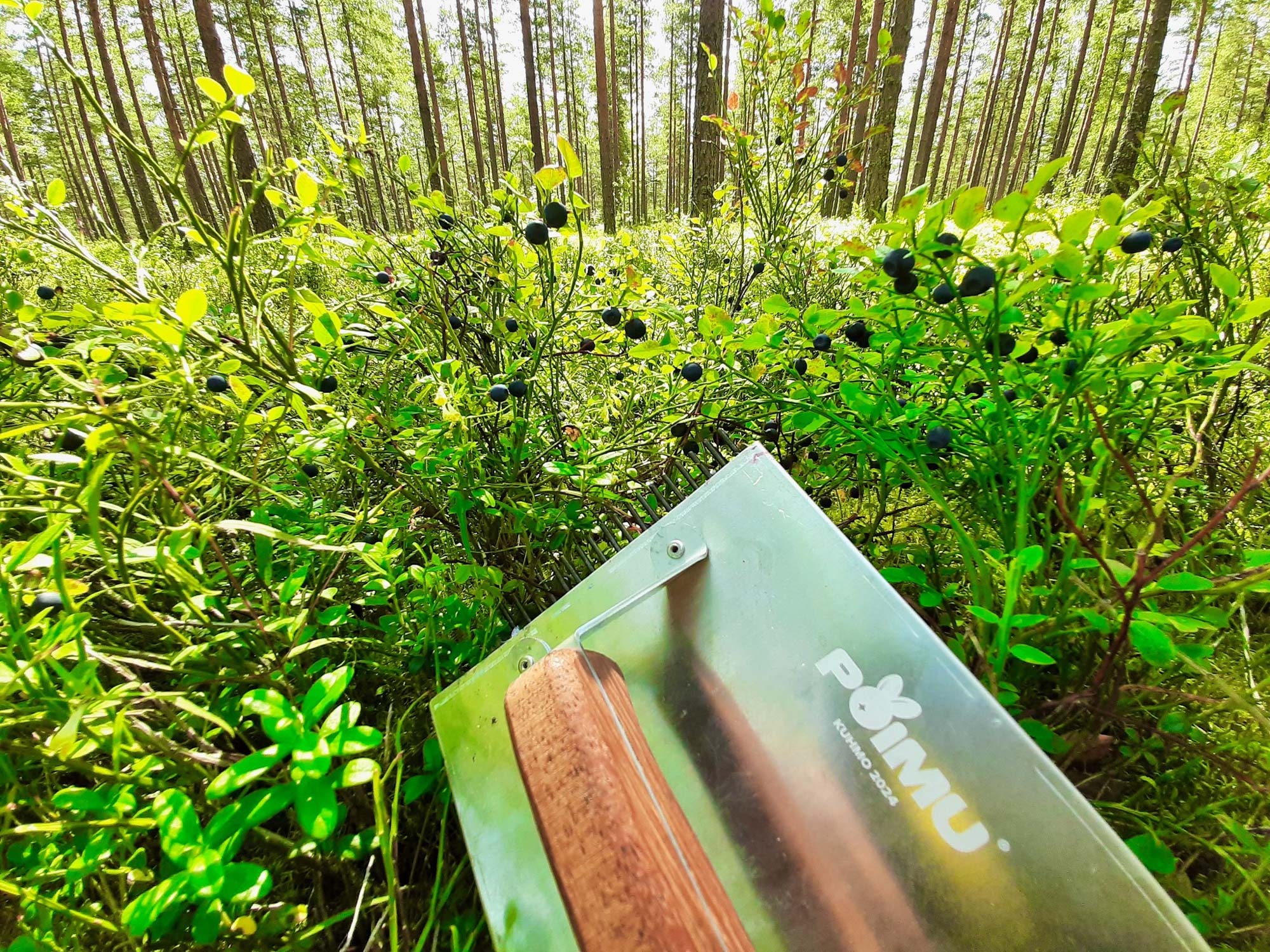
Berry picking is often perceived as a hobby, but in reality it can also be a significant source of income. In Finland, the demand for wild berries is constant, and especially during good harvest years, berries command quite competitive prices per kilogram. When combined with the fact that income from selling berries is tax-free for private individuals, berry picking becomes a rare opportunity to combine outdoor activity with financial benefit.
Berry prices vary annually depending on the harvest, demand, and buyers’ needs. For example, in 2025, exceptionally good prices were paid for berries, and even berries with debris could fetch around 2.5–3.0 euros per kilogram. This means in practice that pickers do not need to achieve perfect quality to earn a good return, which lowers the threshold for starting to sell berries.
However, the amount of income depends primarily on picking efficiency. A beginner might pick a few kilograms per hour, while an experienced picker can achieve significantly larger quantities. When the work is systematic and the equipment is in good condition, hourly earnings can increase substantially. This is decisively influenced by how well the picker knows the terrain and how efficiently they move through it.
Read more about efficient berry picking.
When picking efficiency and price per kilogram are combined, the income potential of berry picking quickly becomes concrete. For example, if a picker collects ten kilograms of berries per hour and the price per kilogram is around three euros, the hourly earnings rise to thirty euros. This is a level that competes with many traditional summer jobs, especially when tax exemption is taken into account. However, it is important to understand that such returns require experience, a good berry location, and efficient work.
The profitability of berry picking also varies by berry type. Lingonberry is often one of the best options for selling, as it is abundant and relatively easy to pick in large quantities. Blueberry is somewhat slower to pick, but its demand is consistently strong. Cloudberry can be extremely valuable, but its availability is uncertain and picking often requires more effort. It is worth learning more about the characteristics and picking of different berries on the dedicated berry types pages.
One of the most significant advantages of berry picking is taxation. In Finland, the sale of wild berries is tax-free income for private individuals when it involves a self-picked harvest. This means that all earned money essentially goes directly to the picker without tax deductions. This makes berry picking exceptionally attractive compared to many other sources of income.
However, it is important to note that berry picking is not entirely risk-free or guaranteed income. The harvest varies annually, and during poor years, berries may be less available. Additionally, picking efficiency depends on physical stamina, weather conditions, and available time. For this reason, berry picking should be approached realistically: at its best it can be very profitable, but it requires commitment and the right practices.
From an efficiency standpoint, equipment plays a crucial role. A well-chosen berry picker can multiply picking speed and make the work considerably easier. This directly affects earnings as well, since the more berries you can pick per hour, the greater the income. Information related to berry pickers can be found on Poimu’s website, which addresses the differences between various options from a practical perspective.
Berry picking offers a rare opportunity to combine nature, physical activity, and earning income. It is not merely a way to make money, but also a way to utilize nature’s resources in a sustainable manner. When the activity is planned and based on proper knowledge, berry picking can become a significant source of additional income – or even a seasonal primary source of income.
Ultimately, the question of how much you can earn from berry picking is not straightforward. It depends on the individual, conditions, and goals. One thing is certain, however: in Finland, berry picking offers a unique opportunity to earn money in a way that is both close to nature and exceptionally favorable from a tax perspective.